Antioxidant-Mediated Hepatoprotective Effects of Citrus aurantifolia Peels Extract in Doxorubicin-Induced Liver Injury: Acute and Sub-Acute Toxicity Assessment in Rats
DOI:
https://doi.org/10.4314/Keywords:
Citrus aurantifolia, hepatoprotection, doxorubicin, antioxidants, liver injuryAbstract
Background: The liver plays a crucial role in metabolism and detoxification but remains highly susceptible to oxidative stress induced by chemotherapeutic agents such as doxorubicin (DOX). DOX promotes the generation of reactive oxygen species (ROS), resulting in lipid peroxidation, inflammation, and hepatocellular degeneration. Medicinal plants have attracted growing interest for their potential to alleviate oxidative damage.
Objective: This study aimed to evaluate the antioxidant-mediated hepatoprotective effects of Citrus aurantifolia peels extract against doxorubicin-induced liver injury in rats, alongside assessing its acute and sub-acute toxicity profile.
Method: Acute and sub-acute toxicity studies were carried out in accordance with OECD guidelines. Hepatotoxicity was induced by intraperitoneal administration of DOX (15 mg/kg), followed by oral treatment with CAPE (100, 200, and 400 mg/kg) or alpha-lipoic acid (150 mg/kg) for seven days. Changes in body weight, hematological indices, and antioxidant markers (superoxide dismutase (SOD), glutathione (GSH), malondialdehyde (MDA) and Vitamins C) were assessed. Liver tissues were also examined histologically.
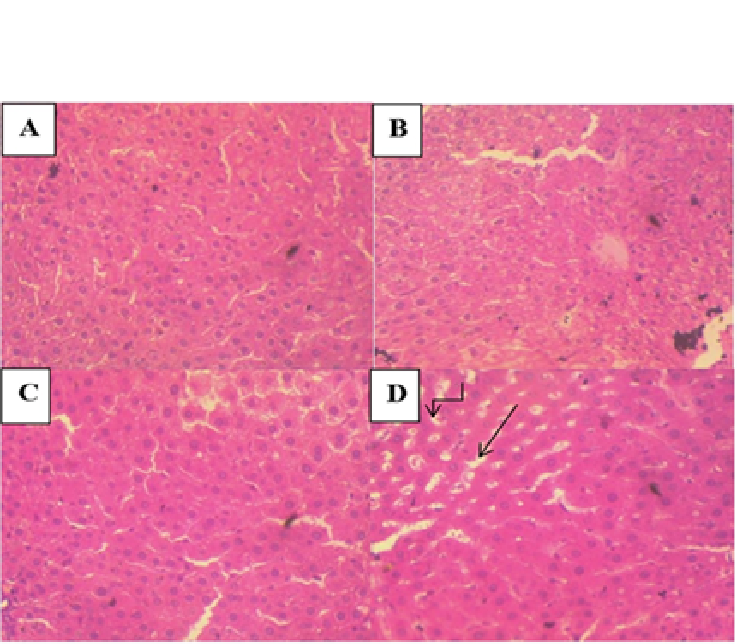
Results: CAPE was well tolerated up to 2000 mg/kg, indicating a broad safety margin. Repeated administration at 200–400 mg/kg caused no mortality or clinical signs of toxicity, though mild lethargy was observed at 800 mg/kg. CAPE significantly (p<0.05) decreased MDA levels while enhancing superoxide dismutase activities in a dose-dependent manner. Histopathological findings showed remarkable improvement in hepatic architecture, comparable to alpha-lipoic acid treatment.
Conclusion: Citrus aurantifolia peels extract exhibits strong antioxidant and hepatoprotective effects against DOX-induced oxidative liver injury, demonstrating safety and therapeutic potential for managing drug-related hepatotoxicity
References
Downloads
Published
Issue
Section
License
Copyright (c) 2026 Nigerian Journal of Pharmaceutical Research

This work is licensed under a Creative Commons Attribution-NonCommercial-NoDerivatives 4.0 International License.
